Table of Contents
A Competitor Intelligence Agent is no longer a luxury; it is a necessity in a world where markets move at digital speed. While you sleep, your competitors are pivoting, and manual research is no longer enough to keep up.
Every morning, teams across the globe wake up to the same ritual: checking competitor websites, scanning industry news, and compiling spreadsheets that are obsolete by lunch. At ExpertStack AI, we call this “digital archaeology.” It’s slow, it’s reactive, and in 2026, it’s a liability.
The companies winning today have replaced research teams with Competitor Intelligence Agents—autonomous systems that monitor, analyze, and alert in real-time.
ExpertStack Insight: Manual research is limited by “human time” (days/weeks). Agentic Intelligence operates on “digital time” (minutes/seconds). If you aren’t monitoring 24/7, you’re effectively flying blind through 99.4% of market movements.
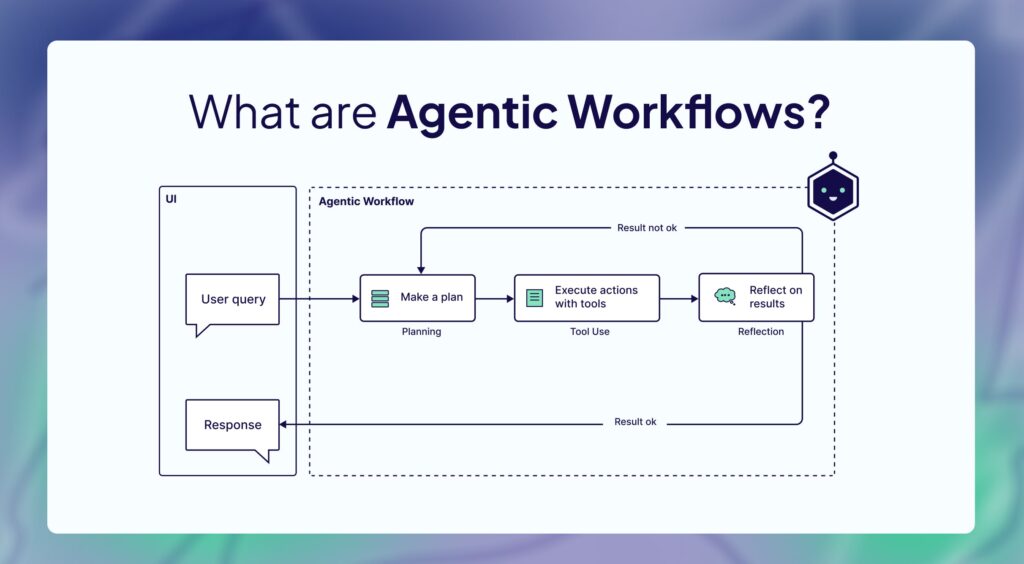
The Autonomous Research Loop: The 4-Stage Cycle
To build a truly autonomous system, you must move beyond simple “scrapers.” A professional Competitor Intelligence Agent operates on a continuous four-stage cycle:
Stage 1: The Trigger
The agent activates based on specific events—not just a clock. Whether it’s a price change, a new blog post, or a change in a competitor’s job board, the trigger ensures the agent only works when there is “signal” to process.
Stage 2: The Search (Targeted Collection)
Using APIs and targeted web crawling, the agent collects raw data. This isn’t just “grabbing text”; it’s looking for specific indicators like pricing tables, meta-tags, and hero headers.
Stage 3: The AI Analysis
This is where the magic happens. Raw HTML is fed into an LLM (like Claude or GPT). The AI doesn’t just “read”—it interprets. It detects strategic shifts, such as a competitor moving from “Enterprise” to “SMB” focus, in seconds.
Stage 4: The Strategic Alert
The loop ends with a high-signal notification. Instead of a 20-page report, you get a Slack message: “Competitor A just dropped prices by 15%. Strategic implication: They are aggressively targeting your Q3 segment.”
Technical Blueprint: Building Your First Agent
For the architects who want to see the “engine” under the hood, here is a Python-based framework. This agent uses AI to analyze pricing changes autonomously.
Below is a simplified Python framework that demonstrates how the Search and Analyze stages work in tandem:
# ExpertStack AI - Competitor Intelligence Blueprint
import requests
from bs4 import BeautifulSoup
import openai
import json

class CompetitorIntelligenceAgent:
    def __init__(self, targets):
        self.targets = targets  # Competitor Pricing URLs

    def search(self, url):
        """Stage 2: Targeted Data Collection"""
        headers = {'User-Agent': 'ExpertStack-Intelligence-Bot/1.0'}
        response = requests.get(url, headers=headers)
        soup = BeautifulSoup(response.content, 'html.parser')

        # Focus on pricing and headers
        return {
            'pricing_text': [p.text for p in soup.find_all('p') if '$' in p.text],
            'h1_headers': [h.text for h in soup.find_all('h1')]
        }

    def analyze(self, data):
        """Stage 3: AI-Powered Strategic Interpretation"""
        prompt = f"Analyze this competitor data for strategic shifts: {json.dumps(data)}"
        # Here, the agent uses the LLM to 'think' like a consultant
        response = openai.ChatCompletion.create(model="gpt-4o", messages=[{"role": "user", "content": prompt}])
        return response.choices[0].message.content

# This is the 'Nervous System' of your market strategy.
This script requires the BeautifulSoup and OpenAI libraries. While this is a prototype, it illustrates the core logic of autonomous surveillance.
Note to Architects: In a production environment, we recommend connecting this agent to Make.com or Zapier Central for seamless alerting. You can find the best tools for this in our Ultimate AI Agent Stack 2026 guide.
Beyond Pricing: What Should You Monitor?
Pricing is just the tip of the iceberg. To truly dominate your market, your agents should track:
- Content Velocity: A surge in blog posts about a specific topic usually precedes a major product launch.
- Talent Acquisition: If a competitor suddenly hires 10 AI engineers, they aren’t just “updating their site.”
- Messaging Pivots: Track shifts in “Hero Text.” When a value proposition changes, a pivot is happening.
The Verdict: Adapt or Disappear
Markets don’t reward the most informed companies; they reward the fastest informed companies. Traditional research takes 15 weeks to result in a decision. An AI Agent Swarm (as we discussed in our previous deep-dive) compresses this to 48 hours.
Your Next 30 Days: Don’t boil the ocean. Pick 3 competitors. Build a simple “Trigger -> Alert” loop. Move from being a “manual operator” to a “System Architect.”
The research loop runs 24/7. It doesn’t matter if you’re participating; your competitors already are.